
What Is an Advent Calendar? Understanding the Tradition Behind the Countdown
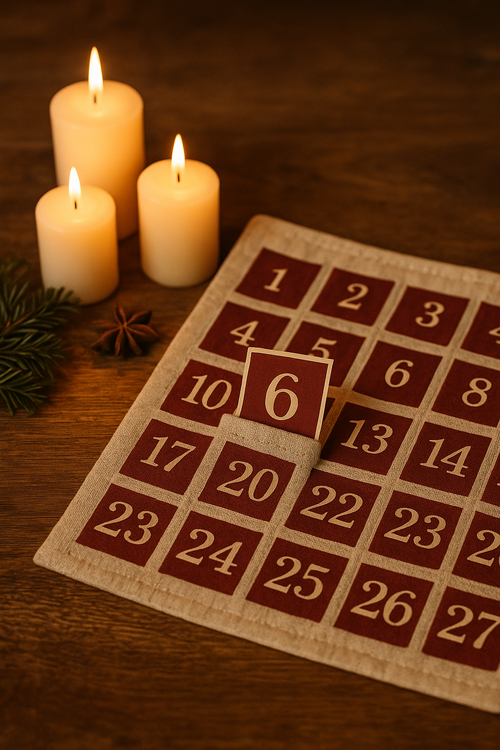
Every December, colorful Advent calendars appear in homes, stores, and social media feeds filled with chocolates, small gifts, Scripture verses, or daily surprises. Children love opening each little door, and adults often enjoy the nostalgic joy of counting down the days until Christmas.
But behind the fun and creativity lies a rich spiritual tradition. The Advent calendar isn’t just a countdown to December 25th, it’s an invitation to slow down, reflect, and prepare our hearts for the coming of Christ.
Let’s explore what an Advent calendar is, where it came from, and how it can enrich your celebration of Christmas.
1. The Meaning of an Advent Calendar
At its core, an Advent calendar is a daily reminder that Christmas is approaching and that Jesus, the Light of the World, has come.
While modern calendars can take many forms, the heart of the idea is simple:
Each day of Advent offers a moment to pause, reflect, and anticipate the arrival of Jesus.
This aligns beautifully with the purpose of Advent itself, a season of expectation, preparation, and hope.
2. Where Did Advent Calendars Come From?
The tradition of Advent calendars began in 19th-century Germany, when families would mark the days of December with chalk on a door or light a candle each day leading up to Christmas.
Eventually, these practices evolved into printed calendars with small doors or windows to open daily. By the early 1900s, the first
mass-produced Advent calendar appeared, and the tradition quickly spread across Europe and beyond.
Over time, Advent calendars have expanded in style and creativity, from simple Scripture readings to elaborate boxes filled with treats or gifts.
Yet the purpose remains:
To help Christians focus on Christ in the days leading up to Christmas.
3. Common Types of Advent Calendars
Today, Advent calendars come in many shapes and styles, each offering a unique way to engage with the season. Here are the most popular types:
A. Traditional Paper Calendars
These feature 24 or 25 little windows. Each day reveals an image or Bible verse pointing to the story of Jesus’ birth.
B. Chocolate or Treat Calendars
A fun favorite, especially for kids. Each window contains a small candy, a sweet way to build anticipation!
C. Wooden or Fabric Calendars
Reusable calendars with pockets or drawers that can be filled with daily notes, challenges, prayers, or small gifts.
D. Scripture-Based Calendars
These focus on daily readings that walk you through the prophecies of Christ and the events leading up to His birth.
E. Acts of Kindness Calendars
Each day includes a simple service idea, a beautiful way to reflect the love of Christ during the season.
No matter the type, an Advent calendar becomes meaningful when it draws the heart toward Jesus.
4. What an Advent Calendar Teaches Us
While the calendar itself is simple, its message is profound. It teaches us:
a) To Slow Down
The days before Christmas can be busy and rushed. An Advent calendar offers a purposeful pause, a moment to breathe and reflect.
b) To Build Anticipation
Our culture often rushes past waiting, but God uses seasons of anticipation to deepen our faith. Each opened door is a reminder that hope grows day by day.
c) To Focus on Christ
Behind every verse, prayer, or symbol is this message:
Jesus is coming, prepare your heart.
d) To Cultivate Joy
There is a childlike delight in opening each day’s surprise. Advent calendars remind us that joy is a gift from God.
5. How to Use an Advent Calendar This Year
If you’re looking to make your Advent season more meaningful, here are a few simple ways to use a calendar:
A Simple Tradition With Eternal Meaning
An Advent calendar may seem like a small thing, but it carries a big message. Each day invites us to remember that Christmas is about Christ, His coming, His presence, and His promise to come again.
As you open each door this year, let it be a reminder:
Hope is unfolding, day by day.
Still Have Questions?
We’d love to walk with you as you enter the Advent season and prepare your heart for Christmas. Reach out to us anytime, you’re not journeying alone.
But behind the fun and creativity lies a rich spiritual tradition. The Advent calendar isn’t just a countdown to December 25th, it’s an invitation to slow down, reflect, and prepare our hearts for the coming of Christ.
Let’s explore what an Advent calendar is, where it came from, and how it can enrich your celebration of Christmas.
1. The Meaning of an Advent Calendar
At its core, an Advent calendar is a daily reminder that Christmas is approaching and that Jesus, the Light of the World, has come.
While modern calendars can take many forms, the heart of the idea is simple:
Each day of Advent offers a moment to pause, reflect, and anticipate the arrival of Jesus.
This aligns beautifully with the purpose of Advent itself, a season of expectation, preparation, and hope.
2. Where Did Advent Calendars Come From?
The tradition of Advent calendars began in 19th-century Germany, when families would mark the days of December with chalk on a door or light a candle each day leading up to Christmas.
Eventually, these practices evolved into printed calendars with small doors or windows to open daily. By the early 1900s, the first
mass-produced Advent calendar appeared, and the tradition quickly spread across Europe and beyond.
Over time, Advent calendars have expanded in style and creativity, from simple Scripture readings to elaborate boxes filled with treats or gifts.
Yet the purpose remains:
To help Christians focus on Christ in the days leading up to Christmas.
3. Common Types of Advent Calendars
Today, Advent calendars come in many shapes and styles, each offering a unique way to engage with the season. Here are the most popular types:
A. Traditional Paper Calendars
These feature 24 or 25 little windows. Each day reveals an image or Bible verse pointing to the story of Jesus’ birth.
B. Chocolate or Treat Calendars
A fun favorite, especially for kids. Each window contains a small candy, a sweet way to build anticipation!
C. Wooden or Fabric Calendars
Reusable calendars with pockets or drawers that can be filled with daily notes, challenges, prayers, or small gifts.
D. Scripture-Based Calendars
These focus on daily readings that walk you through the prophecies of Christ and the events leading up to His birth.
E. Acts of Kindness Calendars
Each day includes a simple service idea, a beautiful way to reflect the love of Christ during the season.
No matter the type, an Advent calendar becomes meaningful when it draws the heart toward Jesus.
4. What an Advent Calendar Teaches Us
While the calendar itself is simple, its message is profound. It teaches us:
a) To Slow Down
The days before Christmas can be busy and rushed. An Advent calendar offers a purposeful pause, a moment to breathe and reflect.
b) To Build Anticipation
Our culture often rushes past waiting, but God uses seasons of anticipation to deepen our faith. Each opened door is a reminder that hope grows day by day.
c) To Focus on Christ
Behind every verse, prayer, or symbol is this message:
Jesus is coming, prepare your heart.
d) To Cultivate Joy
There is a childlike delight in opening each day’s surprise. Advent calendars remind us that joy is a gift from God.
5. How to Use an Advent Calendar This Year
If you’re looking to make your Advent season more meaningful, here are a few simple ways to use a calendar:
- Read a verse each morning and reflect on God’s promises.
- Pray a short prayer daily, inviting Jesus to draw your heart closer to Him.
- Share the calendar experience with your children or grandchildren and use it to teach the story of Christmas.
- Practice daily acts of kindness throughout the Advent season.
- Use a devotional Advent calendar to guide your spiritual preparation.
A Simple Tradition With Eternal Meaning
An Advent calendar may seem like a small thing, but it carries a big message. Each day invites us to remember that Christmas is about Christ, His coming, His presence, and His promise to come again.
As you open each door this year, let it be a reminder:
Hope is unfolding, day by day.
Still Have Questions?
We’d love to walk with you as you enter the Advent season and prepare your heart for Christmas. Reach out to us anytime, you’re not journeying alone.